
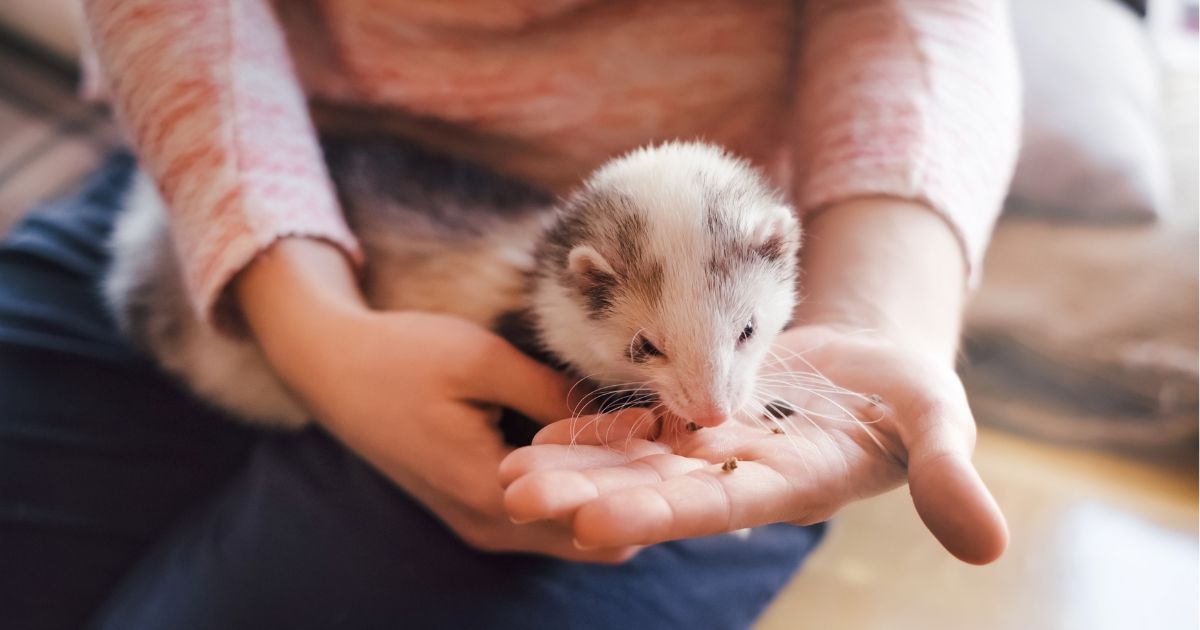
Best Ferret Food 2025: Vet‑Approved High‑Protein Picks
Introduction: Your Ferret’s Special Food Needs
Best ferret food 2025: vet‑approved, high‑protein choices for obligate carnivores.
Picking the right food for your ferret is super important for keeping them healthy and happy over time. Unlike dogs or cats, ferrets have a unique digestive system that needs specific types of food. With more people wanting ferrets as pets and the market for ferret food expected to reach 556 million bucks by 2025, getting the right info on what to feed them has never been more vital. This guide cuts through all the marketing stuff to give you a straightforward ranking of the best high-protein ferret foods for 2025, based on solid vet advice. Choosing the best ferret food keeps obligate carnivores healthy without filler‑driven digestive upsets.
Ferrets: Natural Meat Eaters
The biggest thing to know about ferret food is that they are natural meat eaters, or what some call obligate carnivores. This means their bodies are designed to get all their nutrients from animal-based sources. If you’re one of the 326,000 households in the U.S. with a ferret, you really need to get this. Their short guts work best when they can quickly process meat, getting energy from proteins and fats, while really struggling with plant-based stuff. For true carnivores, the best ferret food prioritizes named animal proteins over plants.
Best Ferret Food: Why Protein Matters
For a creature that thrives on meat, protein is the heart of its diet. Animal proteins give your ferret important amino acids, like taurine, that their bodies can’t make themselves. These proteins help with everything – building muscle, keeping energy up, supporting the immune system, and keeping organs healthy. If they don’t get enough solid animal protein, they can run into serious health problems, so picking a good high-protein ferret food is about keeping them alive and healthy.
Veterinary Guidelines for Ferret Food
When it comes to ferret food, vets stick to science, recommending diets that mimic what ferrets’ ancestors would have eaten while ensuring they get all the nutrition they need. These guidelines help keep your ferret healthy and prevent common diet-related issues. Vets agree the best ferret food targets 34%–40% protein and 18%–22% fat.
What They Need: Key Nutrition

Vets agree on some basics for your ferret’s diet. A good ferret food should have:
- Lots of Animal Protein: Between 34% to 40%. Make sure it’s high quality and easy to digest.
- High Fat: Around 18% to 22%. Fat’s a big energy source for ferrets and helps them absorb certain vitamins.
- Low Fiber: Less than 3%. Ferrets just can’t handle much fiber, which can lead to tummy problems and low nutrient absorption.
Good nutrition can really boost their lifespan. Wild black‑footed ferrets are typically about 3–4 years old, while pets often reach 5–10 years.
How to Read Ferret Food Labels Like a Pro
When checking out ferret food labels, you need to be careful. A vet would tell you to look beyond the flashy ads and focus on what’s in the food and how it’s analyzed.
Best Ferret Food Label Tips
- First Ingredients Matter Most: The first few ingredients should list quality meats like “chicken,” “lamb meal,” or “turkey.” Stay away from vague terms like “meat by-products.”
- Watch Out for Fillers: Be on the lookout for foods with high amounts of corn, wheat, rice, peas, or potatoes. These ingredients don’t really digest well for ferrets and can cause health issues like insulinomas.
- Check the Percentages: Make sure the breakdown of protein, fat, and fiber aligns with what the vet says is best.
Best High-Protein Ferret Foods for 2025 (Vet-Approved)
With pet owners spending around 65.8 billion bucks on food and treats in 2024, there are tons of choices out there. Our ranking focuses on health and suitability over brand names, sticking to vet-approved nutritional guidelines.
Our Ranking Process: What Vets Look For
When we rated ferret foods for 2025, we used criteria that a knowledgeable vet would look for:
- Animal Protein First: Foods are rated higher when they list high-quality animal proteins as the main ingredients.
- Nutrient Breakdown: The food should meet the recommended 34-40% protein, 18-22% fat, and less than 3% fiber criteria to rank high.
- Digestion & Quality of Ingredients: Foods should lack plant-based proteins and cheap fillers.
- Formulation for Ferrets: We focus on foods made for ferrets rather than general carnivore or cat foods, unless a kitten formula fits the bill.
Best Ferret Food: Vet‑Approved Picks
Top Picks: Best Kibble Choices
Kibble remains the easiest way to serve the best ferret food daily.
Top-quality kibble is still the go-to choice for feeding ferrets. It’s balanced, easy to use, and safe.
- Top-Tier Choices: These are the best of the best. Brands like Wysong Epigen 90 and certain Mazuri formulas use several high-quality meats as main ingredients. They typically have protein content over 38% and fat over 18%, with little to no grains or starchy veggies. They aim to mimic a natural prey diet as much as possible.
- Mid-Tier Choices: These are reliable picks that meet basic nutritional needs and include solid levels of animal protein and fat. Some brands like Marshall Premium or ZuPreem may have slightly higher fiber or grain fractions, making them okay for most healthy ferrets, but check the labels.
- Use Caution: This group includes foods that may be labeled for ferrets but don’t meet the best guidelines. They might use unclear meat sources or have too many carbs. Only use these after talking to your vet.
Looking into Raw Diets
Some owners are interested in raw or freeze-dried diets as alternatives. A raw meat diet, made with whole prey or balanced portions of meat, organs, and bones, gets closer to what ferrets used to eat in the wild. Supporters believe it can help with dental health and fur quality. Even when exploring raw options, compare them against the best ferret food benchmarks for safety and balance.
But vets urge you to be careful. Raw diets can pose risks like bacteria (think Salmonella or E. coli) and parasites, which can affect both ferrets and their human families. It takes a lot of know-how to prep a safe and balanced raw diet. Store-bought frozen raw diets can reduce risks, but definitely talk with your vet before going this route.
Food Tips for Ferret Health Issues
Diet isn’t just about everyday nutrition; it plays a key role in preventing and managing common health issues in ferrets. Low‑carb choices in the best ferret food can help reduce insulinoma risks.
Preventing Common Health Problems
Ferrets are predisposed to insulinoma; consistent, low‑carb feeding is recommended to support steadier blood glucose. Too many carbs and sugars make the pancreas work extra hard, which can lead to tumors. The best way to prevent this is by sticking to a low-carb, high-protein diet recommended by your vet. A diet that’s gentle on their digestive systems helps avoid chronic issues like diarrhea.
Nutritional Needs as They Grow
As ferrets age, their food needs change:
- Kits (under 1 year): Young ferrets need more protein and fat for growth. They should have constant access to nutrient-dense foods.
- Adults (1-4 years): A balanced diet per vet guidelines is perfect for healthy adults. Keep an eye on portions to avoid weight issues.
- Seniors (4+ years): Older ferrets might be less active. Some might need lower-fat diets to stay fit, and others may benefit from easier-to-digest proteins. Regular vet check-ups are key to making sure their diet suits their changing health.
Foods to Avoid: Vet Warnings
Knowing what you should not feed your ferret is just as key as knowing what to give them. Some common ingredients and human foods can be harmful.
Products heavy in peas or grains cannot be the best ferret food for obligate carnivores.
Dangerous Plant Ingredients
Since they’re carnivores, ferrets can’t break down plants well. Ingredients like grains, corn, rice, and especially peas often show up as cheap fillers in lower-quality foods. These add little nutrition and can cause serious health problems. Sticking to high-protein foods matters!
Why Not to Use Cat and Dog Food
While some high-protein kitten food could work in a pinch, most cat and dog food isn’t suitable for ferrets long-term. Cat food usually has a different protein-fat balance, and sometimes using fish isn’t a core prey item and is often limited for palatability/odor; favor named land‑animal meats.. Dog food has way too much plant matter and not enough of the animal protein and fat ferrets need to thrive.
Harmful Treats and Foods
Never give your ferret sugary, carby, or dairy foods. That means no fruits, veggies, bread, or chocolate (which is toxic!). These can upset their tummies and cause serious health issues. Best to stick to simple, meat-based treats and give them sparingly.
Practical Tips for Feeding Your Ferret
Having the right food is just the first step. Daily habits are key to getting the most from their diet. When transitioning to the best ferret food, change gradually over 7–10 days.
Switching to a New Food
Ferrets can be picky eaters and might get attached to certain foods. When moving to a healthier diet, do it slowly over 7-10 days. Start by mixing in a bit (10%) of the new food with their old food and gradually increase the new food each day. This eases digestive issues and helps them accept the change.
Storing Food and Keeping Things Clean
Keep kibble in a cool, dry place in a sealed container to keep it fresh. Clean their food and water bowls daily with soap and hot water to stop bacteria from growing. A clean feeding area in their cage is key to their health. Because ferrets metabolize fast, they should have access to food and fresh water all day.
Healthy Treats: Vet Suggestions
Treats should only make up about 10% of your ferret’s daily calories. Best to stick with protein-rich goodies. Small bits of cooked meat like chicken or turkey or meat-based baby food without added veggies work well. Freeze-dried meat treats are also great. They’re a fun way to bond without messing with their diet.
Conclusion: Keeping Your Ferret Healthy with Smart Nutrition
Giving your ferret the right nutrition is a big part of being a responsible owner. By knowing their unique needs as meat eaters and following vet guidelines, you can really improve their quality of life and longevity. Choosing the best ferret food aligned with vet guidelines supports longevity and daily vitality.
Summary: Why a High-Protein, Vet-Approved Diet is Crucial
The bottom line is clear – a diet rich in animal protein (34-40%) and fat (18-22%), with very low fiber and carbs, is essential for a healthy ferret. This is not just a preference; it’s what they need to thrive. Choosing food that fits these needs helps keep diseases like insulinomas at bay and ensures their digestive systems work as intended.
Empowering Pet Owners for a Long Life
Learning to read food labels, knowing key nutritional percentages, and knowing what ingredients to avoid gives you the power to make smart choices. This knowledge helps you navigate the crowded pet food market, ensuring every meal you provide supports your pet’s health. With the global pet food market projected to reach 256.28 billion bucks by 2034, there will be more choices than ever, making informed decisions even more important.
Final Tip: Always Check with Your Vet
This guide gives you a solid understanding based on vet advice, but it’s no substitute for professional medical help. Your vet is your best partner in keeping your ferret healthy. They can help figure out what your specific pet needs, suggest the best foods based on their health, and provide tailored advice for each stage of their life. Regular checkups and good communication with your vet are key to a long, happy, and healthy life for your ferret.