
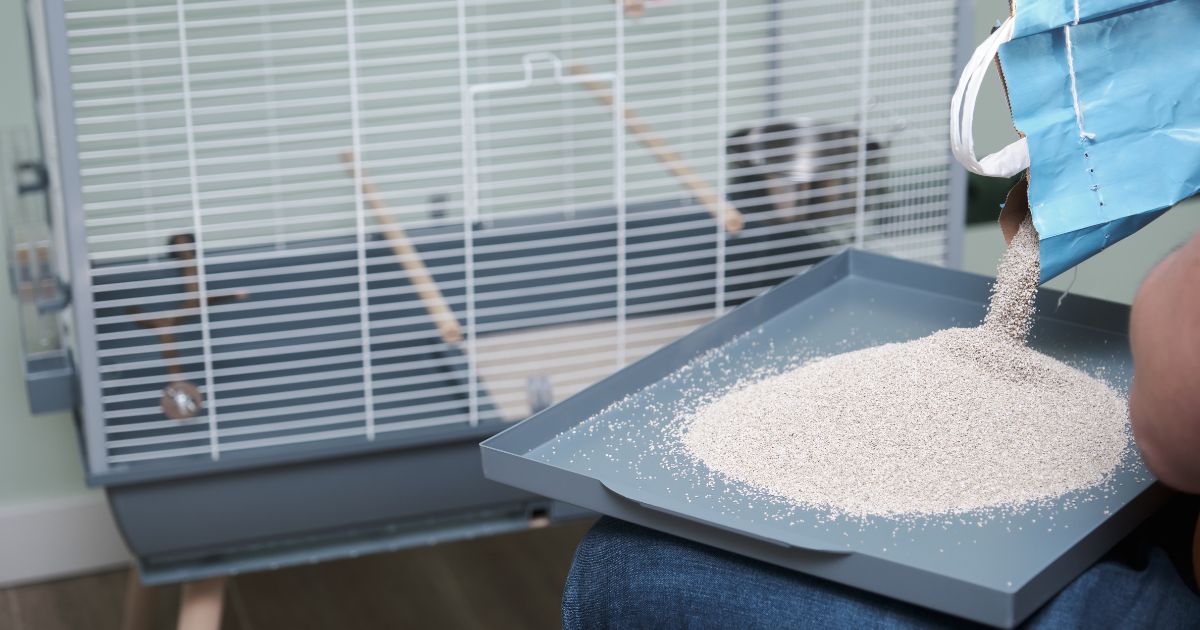
Ferret litter types 101: what to use and what to avoid
Hey there, fellow ferret lover!
Ferret litter types can feel overwhelming when you’re standing in that pet store aisle, staring at endless options and wondering which one’s actually safe for your adorable, mischievous little bandit. Hey there, fellow ferret lover! I totally get it—picking the right litter for your ferret might seem simple at first, but here’s the thing: it’s actually one of the most important decisions you’ll make for their health.
Here’s why this matters so much: ferrets have these crazy sensitive lungs and airways, so even a tiny bit of dust can cause them some serious breathing problems. And just so you know, ferrets have super-fast metabolisms, which basically means they poop and pee a LOT throughout the day—you’ll definitely need to scoop that box daily. In this guide, I’m breaking down nine solid litter options, answering all those burning questions you might have, and covering what stuff you should absolutely avoid to keep your little buddy healthy and happy.
Why Ferret Litter Types Actually Matter
Look, when you’re shopping around, you really want to focus on two main things: keeping your fuzzy friend safe and controlling those, uh, intense ferret smells. And just so you know, ferrets explore their world primarily through scent—they’re constantly sniffing their litter and doing this hilarious “snorkeling” thing through it, which makes dust inhalation a major concern. Plus, they’ve got this quirky behavior called “scooting” where they clean their bottoms after going, and litter particles can stick to their sensitive areas and even get ingested. So yeah, choosing the right litter is kind of a big deal.
Dangerous Ferret Litter Types You Should NEVER Use
Let me save you some trouble and walk you through what to steer clear of, because some of these are genuinely dangerous for your ferret
Clay and regular clumping litters are a big no-no. They create way too much dust that can cause respiratory infections, and when that stuff gets wet, it basically turns into cement that sticks to your ferret’s paws, nose, and eyes. If they accidentally eat some, it can cause fatal intestinal blockages. Not cool.
Wood shavings like pine or cedar are fundamentally unsafe because they contain these essential oils that release harmful vapors capable of causing respiratory damage and messing with liver enzymes. The only exception? Kiln-dried pine pellets that have been specifically processed to remove those nasty compounds might be okay.
Silica-based litters (you know, those beads or gel types) need to be approached with extreme caution. Some varieties can cause respiratory trauma due to something called silicosis, where scar tissue builds up in the lungs. Plus, they track everywhere, and honestly, a lot of ferrets just think they’re dig boxes rather than potties.
Corncob litter should never be used because it’s often full of molds and produces way too much dust. If your ferret munches on it during grooming or exploration, it can cause life-threatening intestinal blockages.
Ferret Litter Types: Ingredients to Watch Out For
Baking soda shows up in a lot of litters for odor control (like Fresh News or So Phresh), but it’s generally better to pick pellets without baking soda additives since they may not be ideal for ferrets’ sensitive systems.
Now, about clay litter as a budget exception—the Kaytee Critter Litter Premium Potty Training is a wallet-friendly clay option, but vets and experienced ferret folks consistently say paper or pelleted varieties are better if you can swing it.
The Best Ferret Litter Types: My Top 9 Picks
Alright, let’s get into the good stuff! Here are nine litters that I think are worth your time and money.
Marshall Premium Odor Control – The Best Overall of All Ferret Litter Types
This one’s my top pick, honestly. It’s paper-based, comes in 10 or 18-pound bags, and it’s flushable and eco-friendly. The best part? It’s dust-free and won’t trigger allergies, plus it’s super absorbent—we’re talking 400% more absorbent than traditional clay. Those natural paper fibers neutralize ammonia odors on contact, which is a lifesaver.
The only downside? It doesn’t provide the longest-lasting odor control compared to pricier options, so you’ll need to change it out more frequently.
Kaytee Critter Litter – Best Budget Option
If you’re watching your pennies, this clay-based litter might be your jam. It comes in 8 or 24-pound bags and is 99% dust-free, which reduces respiratory risks. Super affordable for budget-conscious ferret parents.
But heads up—it’s not environmentally friendly, it’s sourced from China (which might concern some folks), and it carries those inherent risks that come with clay-based litters.
Oxbow Eco-Straw – The Premium Choice
This wheat-based litter is the fancy option, available in 20 or 40-pound bags. It’s flushable, eco-friendly, and made in the USA. Here’s what makes it awesome: it can absorb 300% of its weight in moisture, making it twice as absorbent as newspaper alternatives. Plus, it’s completely safe if your ferret accidentally eats some during grooming.
The catch? It’s pricey, though buying larger quantities helps offset the per-pound cost.
Carefresh Rabbit & Ferret Litter – Solid Paper Option
This lightweight, dust-free litter is made from 100% recycled clean white paper fiber—no inks, dyes, or fragrances. It’s affordable and environmentally friendly, made right here in the States.
The drawbacks? It only comes in smaller bag sizes (4.5 or 10 pounds), so you’ll be buying more frequently, and it’s not quite as absorbent as premium pelleted choices.
Fresh News Recycled Paper – Highly Absorbent
These paper pellets are manufactured from 100% recycled paper and enhanced with baking soda for odor control. They’re highly absorbent with excellent odor-combating properties and are eco-friendly.
On the flip side, it’s more expensive per pound than competitors and typically only available in smaller package sizes.
Sunseed Fresh World – Budget-Friendly Bulk
This paper-based option comes in 20 or 40-pound sizes with affordable pricing, making it economical for multi-ferret households.
However, it’s not completely dust-free (99.5% dust control), and it contains baking soda, which some ferret experts recommend avoiding
Yesterday’s News Original – The Classic
These paper pellets are made from recycled paper and are 3x more absorbent than clay, 99.7% dust-free, and unscented. They provide superior absorbency and are virtually dust-free.
The only real con? The firmer pellet texture might be less comfortable for ferrets with sensitive paws.
Feline Pine Original – Processed Pine
Made from 100% kiln-dried pine wood with no additives or chemicals, this one’s dust-free with low tracking. The kiln-drying process removes those harmful phenols and oils I mentioned earlier.
Just know that some ferrets may have individual sensitivities even to properly processed pine products.
World’s Best Cat Litter Multi-Cat – Corn Option
This corn-based litter is one of the few corn options considered safe for ferrets. It’s quick-clumping and flushable, 99% dust-free, which makes cleaning easier.
But it’s more expensive than paper alternatives, and some experts still recommend avoiding corn-based products entirely.
Let’s Answer Your Burning Questions
What type of litter works best for ferrets?
Paper litter or pelleted litters are your best bets. They produce minimal to no dust, which is vital for protecting those extraordinarily sensitive respiratory tracts. Experienced ferret owners consistently find pelleted litters the optimal choice because those heavy pellets stay in the pan when ferrets hop out, they’re easily scooped, and they provide superior absorbency.
How often do I need to clean this thing?
Scoop solid waste every single day to keep your ferret healthy and prevent overwhelming odors. The entire box needs a complete cleaning and fresh litter replacement weekly for one ferret.
How much litter should I actually put in?
Just a thin layer covering the bottom—about one inch deep. Using too much often encourages ferrets to dig and scatter litter everywhere.
How long does a bag last?
A standard 20-pound bag should give you approximately 12 weeks of use for two ferrets with daily scooping and weekly complete changes.
Can I use those hardwood stove pellets I’ve heard about?
Yep, compressed hardwood stove pellets are way less expensive than commercial ferret litters. But here’s the crucial safety note: they must be made exclusively from hardwoods only—absolutely no cedar or softwoods with acids or phenols. Read those product labels carefully to verify they’re completely additive-free and not labeled “not for animal use,” because some contain toxic binders and chemicals.
Is litter training actually hard?
Nope, ferrets are pretty darn smart and generally easy to litter train with patience and consistency. Here’s a pro tip: when you’re cleaning, leave a tiny amount of soiled litter in the box so your ferret keeps recognizing it as the right spot. Completely sanitizing the box can actually confuse them.
Should I flush ferret litter?
Even though some litters say they’re flushable, I’d recommend disposing of all litter in the trash to avoid potentially expensive plumbing disasters.
Why is my ferret pooping everywhere except the litter box?
Ferrets instinctively avoid going potty where they eat or sleep. To discourage them from eliminating in certain spots, thoroughly clean the area and put their bedding or food bowls there. Some folks have had success washing bedding with vanilla essence and positioning it in problem corners—the scent association might prevent inappropriate elimination, though results vary.
Wrapping This Up
So there you have it, friend! Choosing the right ferret litter involves balancing safety, absorbency, odor control, and what you can afford. If you’re still not sure after reading all this, the Marshall Premium Odor Control represents the consensus top choice among ferret experts because of its exceptional balance of quality and affordability.
If budget’s your main concern, the Kaytee Critter Litter Premium Potty Training offers a viable, economical option—though investing in paper or pelleted alternatives provides superior long-term health benefits for your fuzzy buddy.
And hey, this guide pulled together research from ferret care specialists, recommendations consistent with American Ferret Association guidelines, and veterinary expertise. But always consult your licensed vet about your individual ferret’s health concerns and litter selections, okay?
Keep exploring ways to optimize your ferret’s environment by checking out topics like optimal ferret nutrition, proper cage setup, and comprehensive health maintenance schedules. Your little bandit deserves the best!